


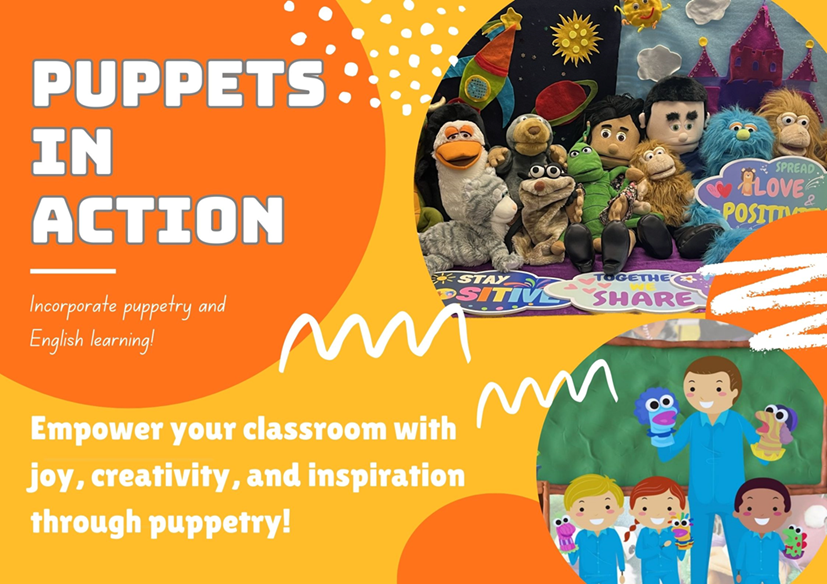
Puppets in Action - Puppetry Resources Page
Introduction
Welcome to the Puppetry Resources Page! Puppets are always a source of enchantment and fascination for students. On this website, we will introduce why and how to incorporate puppetry into the classroom. It is hoped that this will assist teachers to enhance teaching effectiveness by creating a motivating and inspiring atmosphere in the classroom.
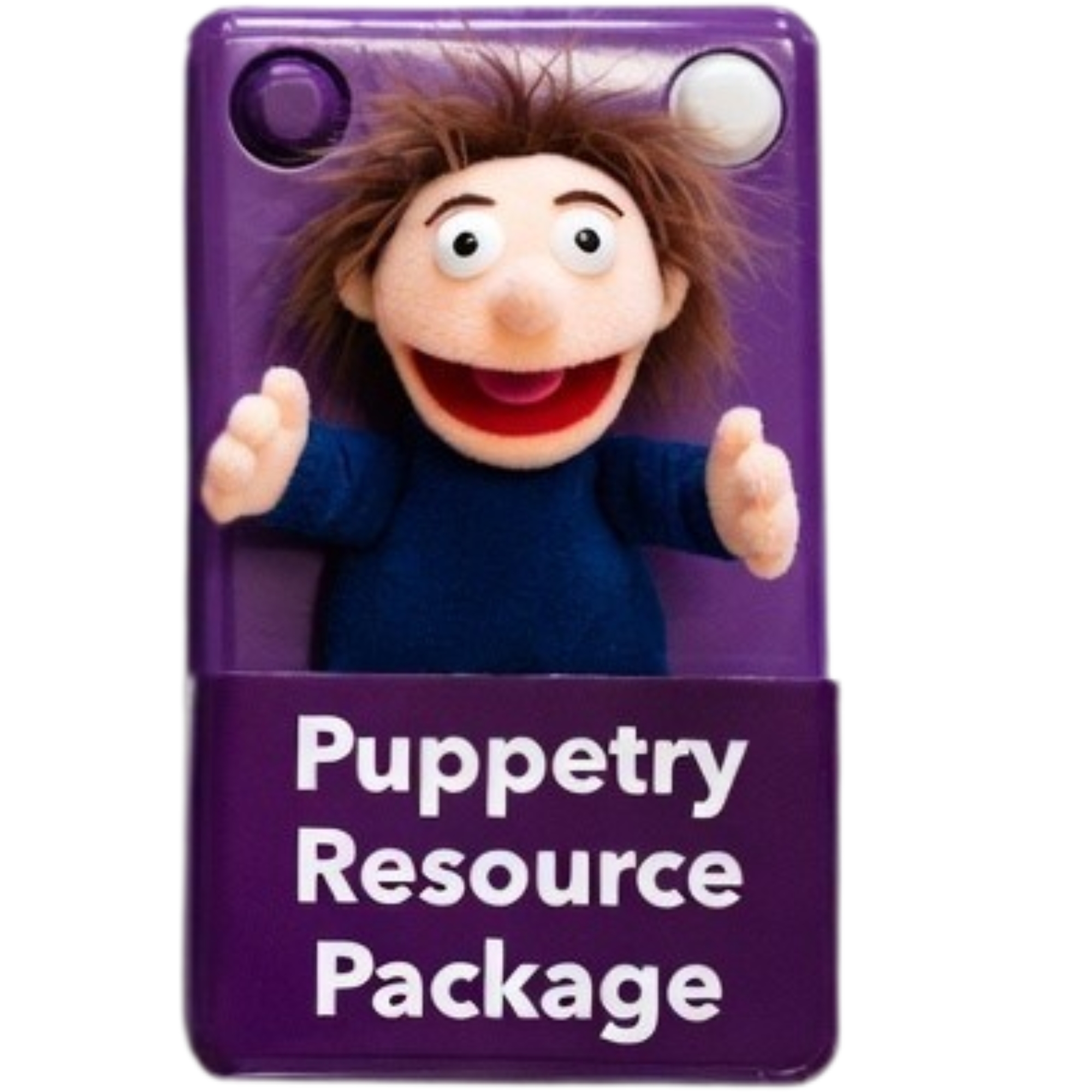
Benefits of Integrating Puppetry in the Classroom
Language learning thrives on active, creative, purposeful, and motivational engagement, enriched by meaningful interactions. In this context, puppetry acts as an effective pedagogical asset for nurturing literacy skills, and bridging the gap between learning and play. Integrating puppetry into the classroom proves to be a brilliant idea to enhance the learning experience. Let's delve into how this dynamic tool operates and its impact on education!
Puppets Serving as a Motivational and Engaging Tool
Puppets serve as dynamic and captivating tools to motivate and engage students in the classroom. Available in various forms, puppets are uniquely adept at capturing the attention of learners with their vibrant colours, whimsical appearances, and human-like features. The mere presence of a puppet can instantly draw students' focus, making it a powerful 'hook' for literacy activities. By incorporating puppets, teachers can sustain student engagement for longer durations and employ a diverse range of teaching methodologies, enriching the learning experience for all.
Puppets Enhancing Communication and Confidence
Puppets play a crucial role in fostering communication skills and boosting confidence among students. By engaging with puppets, students can immerse themselves in a safe and non-threatening environment that is ideal for nurturing their social interactions. Through role-playing scenarios facilitated by puppetry, students can explore diverse communication skills that hone their ability to express thoughts and emotions effectively. Moreover, puppets act as a medium for shy students to find their voice, as they may perceive it as the puppet speaking, not themselves. This enables them to communicate through the puppet character, gradually cultivating confidence and easing anxiety.
Puppets Promoting Cultural Understanding and Values
Puppets are instrumental in promoting cultural understanding and instilling important values in students. By incorporating puppets into educational settings, students can forge meaningful connections and gain insights into diverse cultures, fostering a deeper comprehension of the world. Additionally, puppets are effective in introducing and reinforcing positive values, nurturing inclusivity, and celebrating diversity. Through puppetry, students can witness models of good behaviour, engage in discussions about personal challenges, receive support and encouragement, and explore themes of values and positivity embedded in literature, creating a rich and immersive learning experience.
Puppets Being Accessible and Versatile
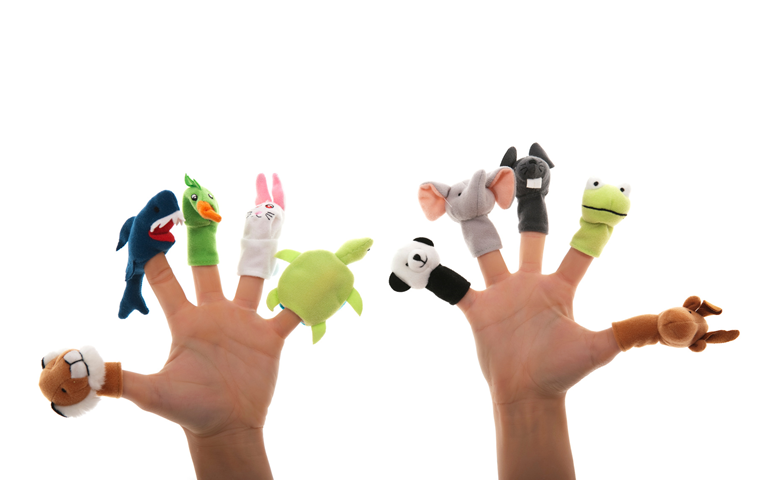
Puppets are accessible and versatile tools that can be easily crafted from a variety of recycled materials. Whether they take the form of finger puppets, sock puppets, hand puppets, or shadow puppets, these creations can be inexpensively produced. Additionally, puppets are readily available for purchase at affordable prices from various toy stores, and they can also be conveniently ordered online. The durability of puppets is another advantage, as they can be used repeatedly over an extended period, making them a cost-effective and long-lasting resource for educational and creative endeavours.
Puppetry Resource Kit (NEW)
The Puppetry Resource Kit is a comprehensive teaching package designed to help teachers integrate puppetry into English-language learning and broader classroom activities. It provides ready-to-use materials, practical guidance, and multimedia support to make puppetry accessible even for teachers with no prior experience in the art form.
What's Inside the Kit
The kit includes the following core components:
- 1 rectangular box
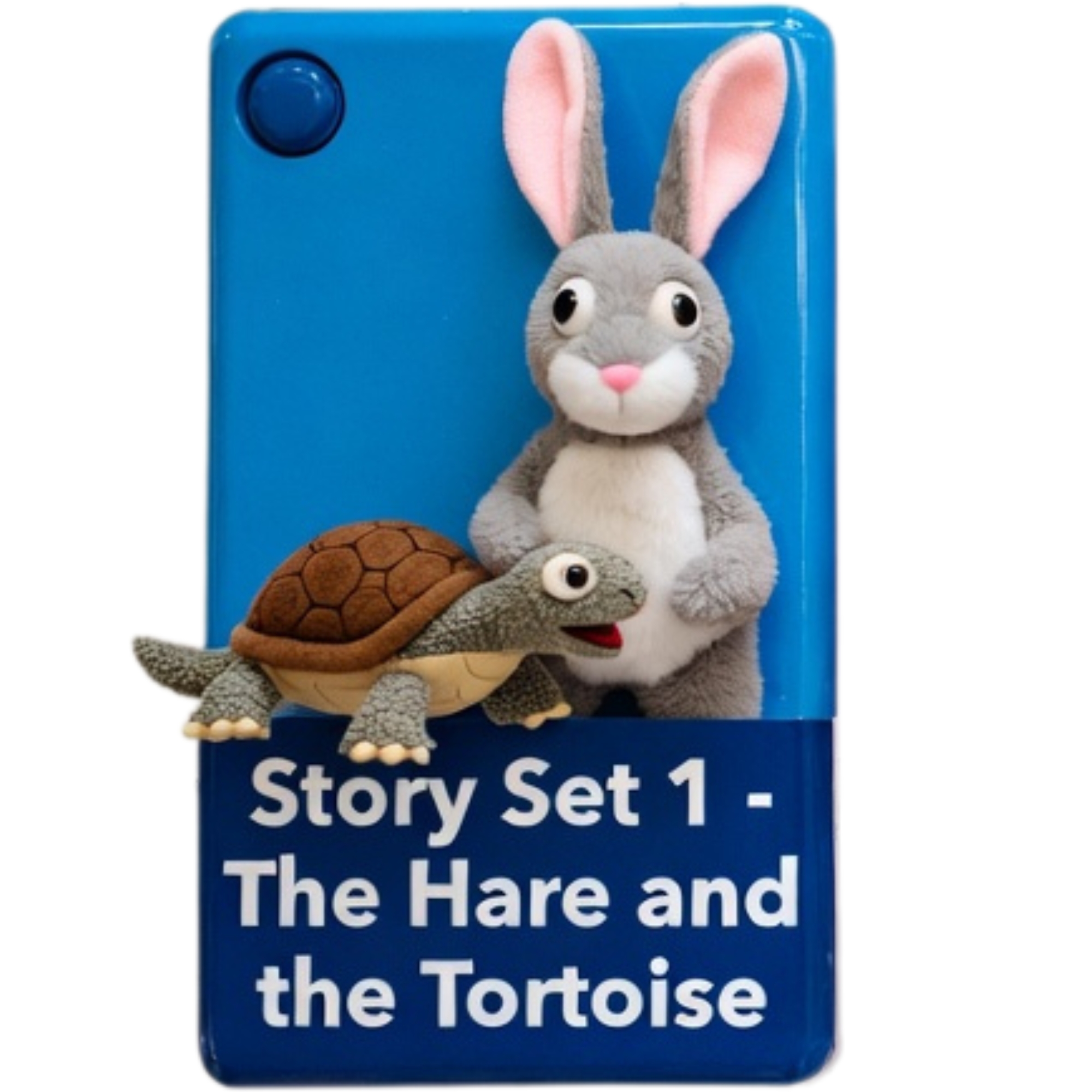
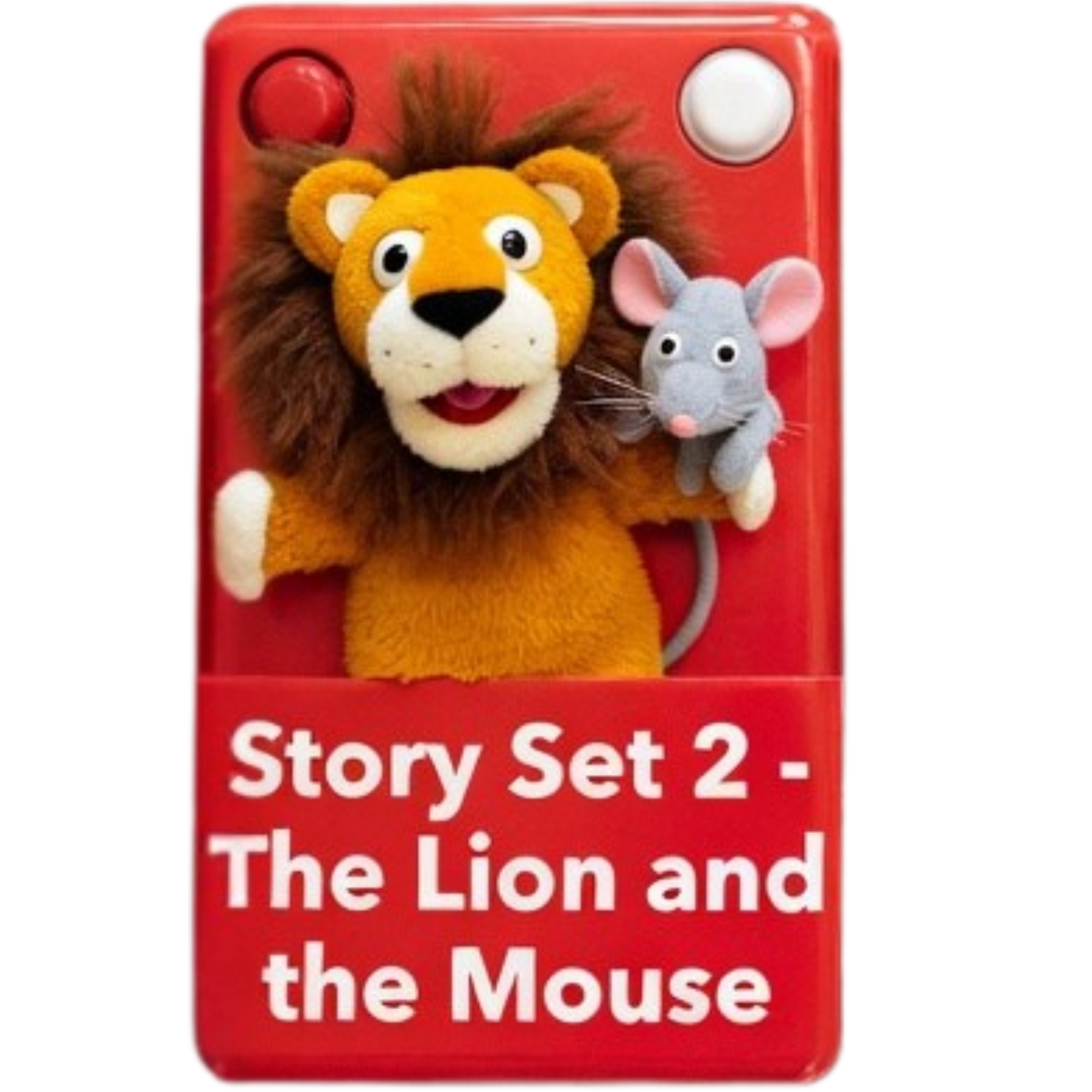
- 4 puppets: rabbit, mouse, tortoise, and lion
- 4 white curtain rods and 2 blue rod connectors
- 2 banners: one red and one green
- 1 net (used as a prop for the “Mouse and Lion” story)
- Teacher's Manual – a step-by-step guide explaining how to plan, deliver, and assess puppetry-based lessons, with QR codes printed in the manual linking to detailed demonstration videos
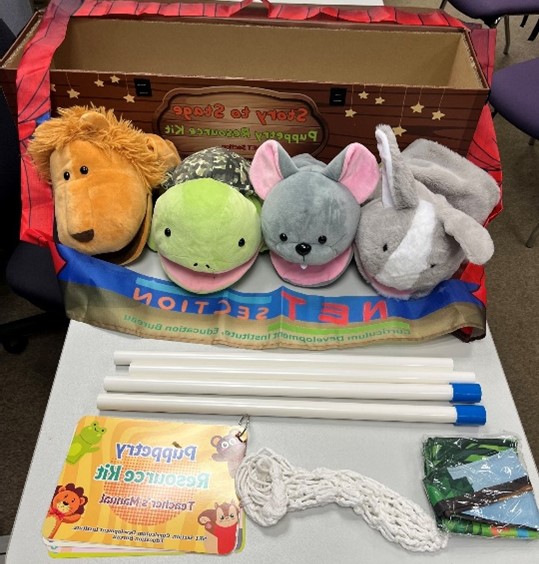
Note: Schools participating in the Story to Stage Puppetry Competition for Primary Schools 2025/26 have each received one Puppetry Resource Kit.
How to Set Up the Puppetry Resource Kit
The two video clips provide a practical walkthrough to help teachers set up the materials for smooth lesson delivery.
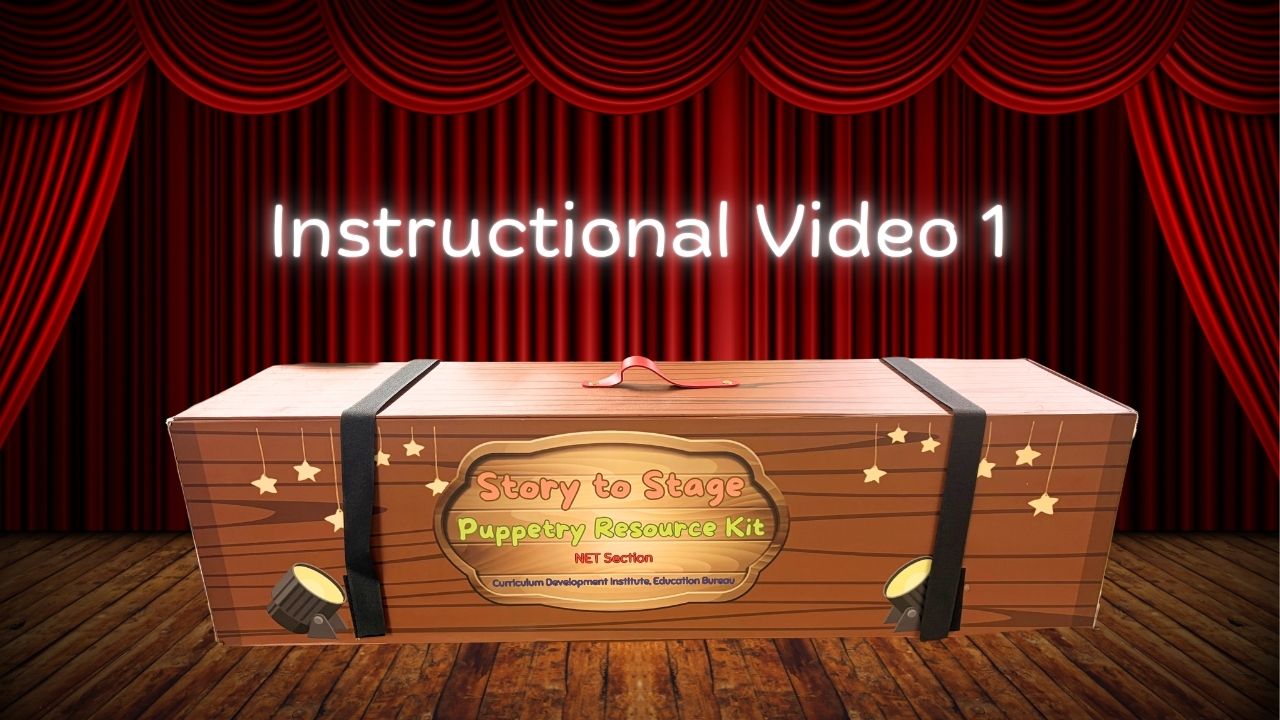
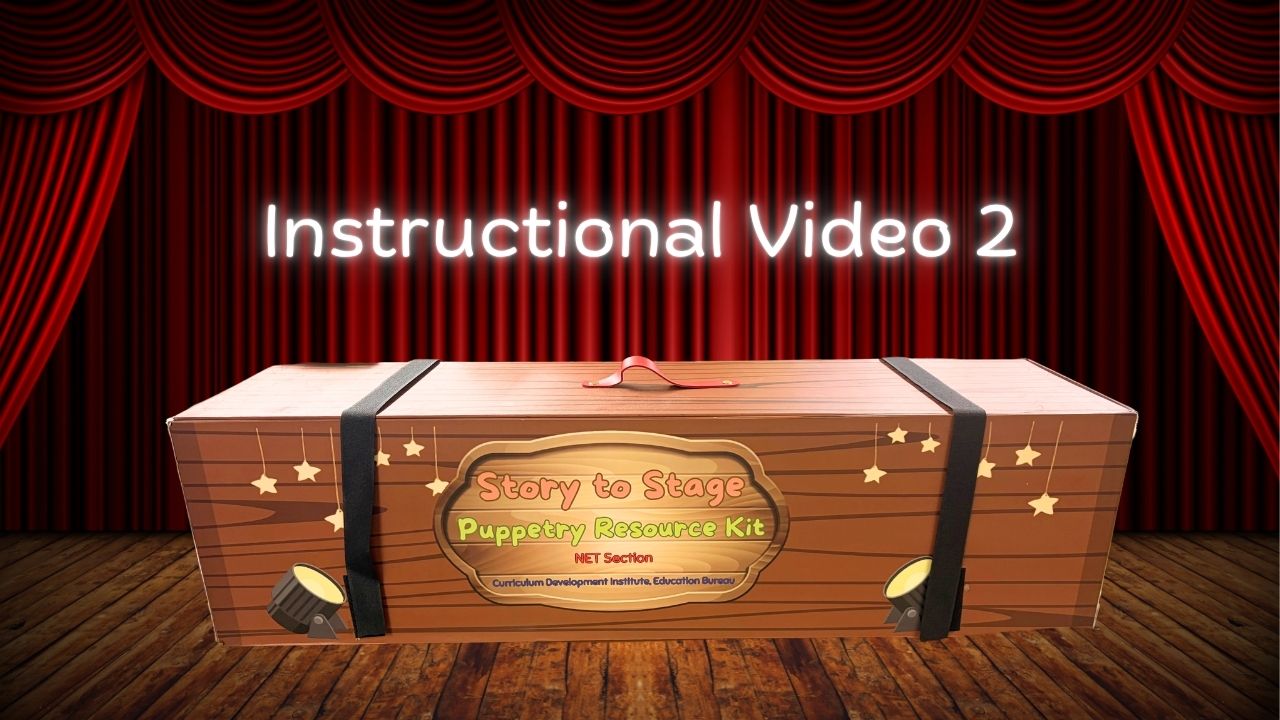
Click the images to view the videos
How to Use the Puppetry Resource Kit
Together, the manual and videos equip teachers with both the theoretical understanding and the hands-on skills needed to bring puppetry into the classroom effectively.
Puppetry in Reading
Puppets have a magical ability to breathe life into stories! By utilising puppets to narrate a tale, students are captivated as they watch the narrative come alive, creating an immersive and thrilling experience.
Moreover, motivating students to read to puppets presents a delightful and productive method to enhance their reading abilities, blending fun with effective skill development.

Puppetry in Writing
Puppets serve as excellent motivators in writing activities, providing students with both a purpose and an audience for their written work. Through puppetry, students can engage in interactive exchanges such as sending and receiving messages, pictures, and cards, enriching their writing experiences. For example, teachers can introduce a puppet into a series of pictures and encourage students to correspond with the puppet through writing. At primary levels, students can collaborate with a puppet to fill in the gaps of a text, nurturing their enthusiasm to actively contribute to the writing process.


Puppetry in Grammar Teaching
Puppets are engaging visual aids in the teaching of grammar concepts like pronouns, prepositions, and verb tenses. Through puppetry, teachers can facilitate language repetition, enabling students to internalise grammar rules more effectively.
Furthermore, teachers can assess students’ understanding by tasking them with correcting grammatical errors made by the puppets or guiding the puppets through a review of specific grammar points. This interactive approach not only makes grammar lessons more enjoyable, but also enhances students' grasp of linguistic structures.

Puppetry in Vocabulary Building
Incorporating puppets into vocabulary lessons can significantly enhance the learning experience. Whether using animal or human puppets, these tools are invaluable for activities like physical descriptions, teaching body parts, colours, and action words. Engage students through interactive games such as 'Where's the puppet?' to strengthen furniture vocabulary, or 'What's in the puppet's bag?' to expand their knowledge of classroom objects. By integrating puppets into vocabulary building exercises, teachers can make the process enjoyable, memorable, and highly effective for students.
Puppetry in Speaking
Puppets provide various opportunities to model and develop communication skills. The simple act of wielding a puppet and infusing it with humour can spark conversations with students. When teaching intonation becomes challenging, bringing a puppet to the class can work wonders. Puppetry not only encourages students to mimic accents and embody various characters but also fosters a comfortable environment for language practice, reducing hesitations and enhancing speaking skills.

Puppetry in Cross-curricular Activities
Creating puppets can be a fantastic cross-curricular activity that nurtures students' imagination and creativity. For instance, students can craft puppets tailored to spotlight environmental challenges encountered by marine creatures.
Moreover, by adorning puppets in diverse attires, they can showcase various global cultures, fostering intercultural awareness and appreciation.

Puppetry in Promoting Positive Values
Puppets can be invaluable partners in instilling positive values, fostering inclusive environments, and promoting diversity. They serve as effective tools for exemplifying good behaviour, addressing personal challenges, and offering guidance and reassurance through storytelling. For instance, to emphasise the significance of learning from errors and embracing the positives of mistakes, puppets can be employed in role-playing scenarios where they purposefully make mistakes. This approach not only normalises the notion of making errors, but also offers a constructive model for students to navigate their own learning journeys and glean valuable lessons from their experiences.

Useful Links on Puppetry
Story to Stage Puppetry Competition for Primary Schools 2026/27
https://nets.edb.hkedcity.net/page.php?p=406
Professional Development for Puppetry
https://nets.edb.hkedcity.net/page.php?p=14
Seed Project Experience Sharing Session (Puppetry and Values Education)
https://nets.edb.hkedcity.net/individual.php?p=164
https://nets.edb.hkedcity.net/individual.php?p=170
If you are interested in learning more about puppetry, kindly contact the Advisory Teacher of your school.
